In addition, Principles of a Professional Website in 2026.
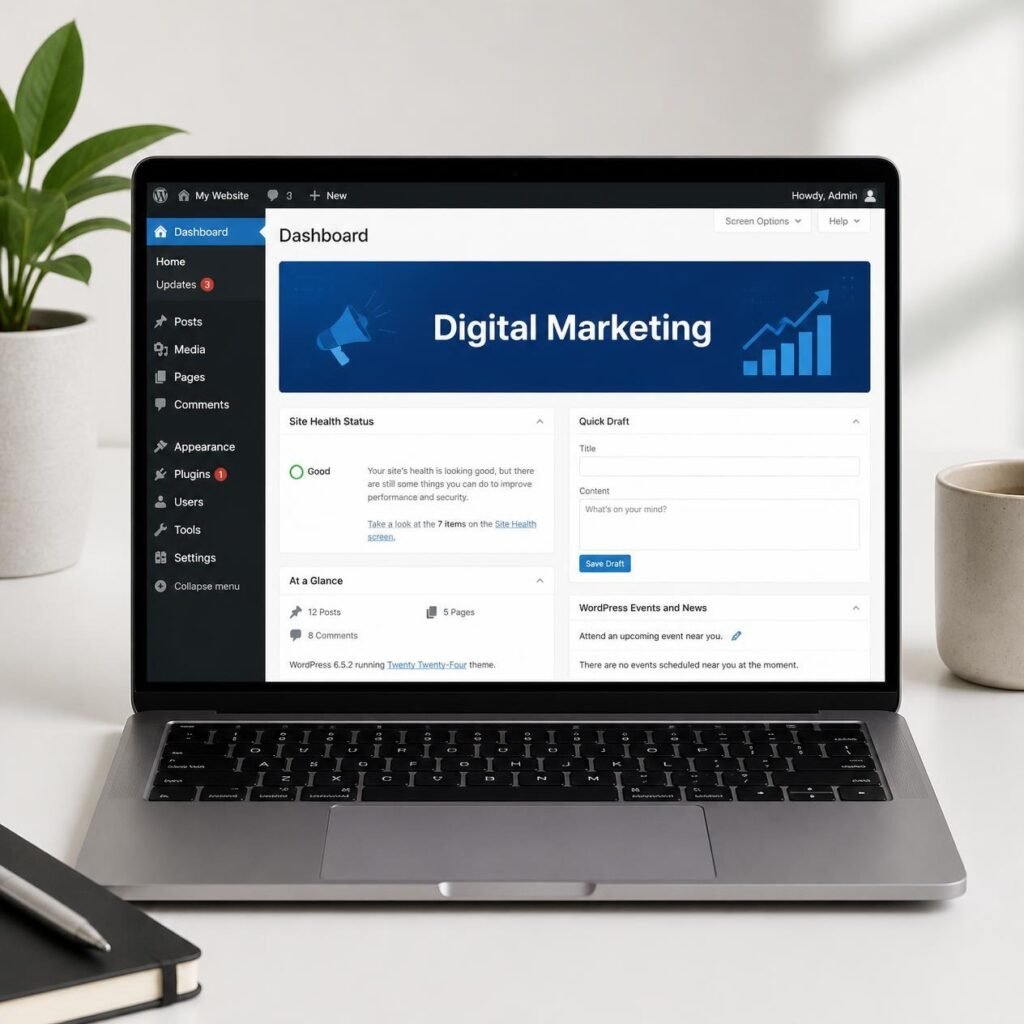
How to Create a Professional WordPress Website in 2026
Introduction: The Evolving Landscape of Professional WordPress Websites in 2026
In 2026, the digital marketing with wordPress website designer become a professional website designer landscape continues to evolve at a rapid pace, making the creation of a professional online presence more crucial than ever. Moreover, WordPress, a free open-source content management system, powers over 43% of all websites worldwide. However, simply having a WordPress site is no longer sufficient. To truly stand out, a professional website in 2026 must be fast, secure, SEOUL – Optimized, and user-friendly, meeting both Google’s increasingly stringent requirements and the elevated expectations of online visitors digital-market.
Additionally, creating a professional WordPress website in 2026 involves more than installing a theme and publishing content. Additionally, it involves a strategic approach to hosting, theme selection, plugin integration, content structuring, and ongoing optimization. With advancements like Full Site Editing (FUSE) and enhanced native performance, WordPress offers powerful tools, but leveraging them effectively requires a clear understanding of modern web standards and user behavior digital-market.
Strategic Planning: Laying the Foundation for Your Professional Website
Before diving into the technical aspects of How to Create a Professional WordPress Website in 2026, strategic planning is paramount. Consequently, this phase defines the purpose, audience, and goals of your website, guiding subsequent decisions.
Defining Your Website’s Purpose and Target Audience
Indeed, every professional website needs a clear purpose. Additionally, you’re building a brochure site to showcase services, a blog to share expertise, or a store to sell products. As a result, understanding this will influence your design, content, and functionality choices. Equally important is identifying your target audience. Moreover, who are you trying to reach? As a result, what are their needs, pain points, and online behaviors? Moreover, the information guides tailoring your content, tone, and user experience.
Choosing the Right Hosting and Domain Name
However, the foundation of any professional WordPress website is its hosting. A poor hosting choice can severely impact loading speed, up time, and security digital-market. In 2026, several options are available, with managed WordPress hosting being highly recommended for professional sites due to its optimized environments, integrated CAN, automatic backups, and advanced caching digital-market. Providers like Instant, WP Engine, or Cloud ways offer environments specifically tuned for optimal WordPress performance digital-market.
Your domain name is your site’s address on the internet and should be short, memorable, and reflective of your activity digital-market. For international reach, a .com extension is generally preferred, while country-specific Teds (Top-Level Domains) are suitable for local targeting digital-market.
Selecting a Performance-Oriented Theme
Consequently, the theme you choose dictates your site’s appearance and base functionality. In 2026, theme selection criteria are more demanding than ever digital-market. Key considerations include:
- Performance: A lightweight theme that adheres to Core Web Vitals (LIP, NIP, CL) is essential for fast loading times and better search engine rankings digital-market.
- Responsive Design: Your site must adapt perfectly to mobile, tablet, and desktop devices digital-market.
- Compatibility: Ensure the theme supports PHP 8.2+ and Full Site Editing digital-market.
- Accessibility: Compliance with WAG standards ensures your site is usable by everyone digital-market.
- Updates: Choose an actively maintained theme with regular updates for security and feature enhancements digital-market.
While page builders like Elementor Pro or Bricks offer design flexibility without coding, custom development with a personalized child theme often provides optimal performance and total control digital-market. Fast, lightweight themes such as Generate Press, or Astra are also excellent choices
Core Principles of a Professional Website in 2026
First, to understand how to build a professional WordPress site in 2026, embrace principles distinguishing it from a basic one.
User Experience (UX) and User Interface (UI)
A professional website prioritizes the user. In addition, a professional website features intuitive navigation, clear calls to action, and an aesthetically pleasing design. The UI (User Interface) refers to the visual elements users interact with, while UX (User Experience) encompasses the overall feeling and ease of use. Moreover, a seamless UX keeps visitors engaged and helps them achieve their goals on your site.
Search Engine Optimization (SEOUL)
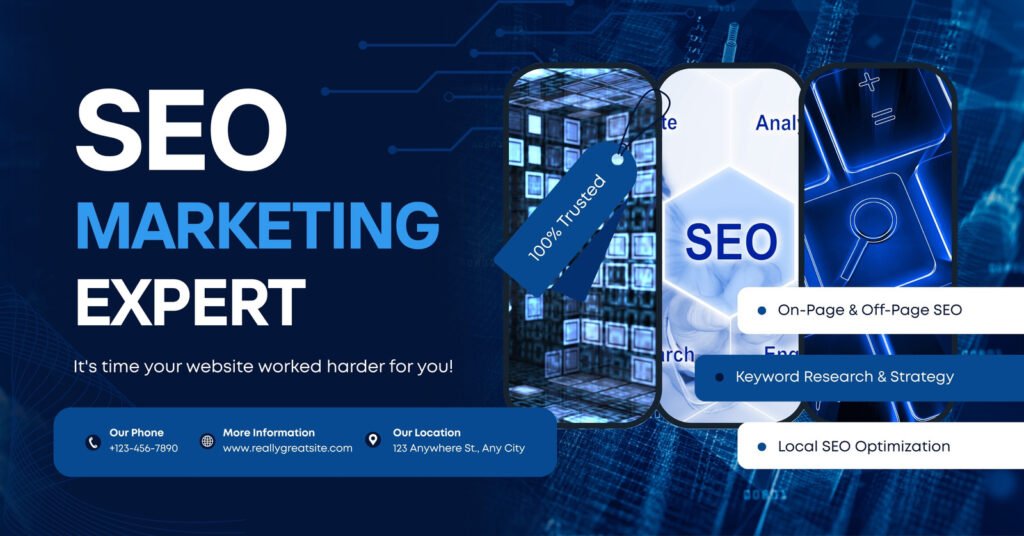
We integrate SEOUL into the entire website-building process from the start. A professional WordPress site must be designed with SEOUL in mind from the very start digital-market. This includes:
- Keyword Research: Identifying relevant keywords with reasonable search volume and low to medium competition Minimize Plugins: Only keep essential plugins, as each one can add to loading time Digital-market.
- . Additionally, tools like Google Search Console, Google Keyword Planner, or Ubersuggest can assist in this process.
- .
- Content Structure: Using a clear H1/H2/H3 heading hierarchy, with one H1 per page containing the primary keyword digital-market.
- Meta Tags: Unique and compelling title tags and meta descriptions that encourage clicks from search results digital-market.
- Structured Data (Schema.org): Implementing markup to help Google understand your content, such as Local Business, FAQ, or Breadcrumb List digital-market.
- Internal Linking: Strategically linking between your pages to distribute SEOUL authority and guide users digital-market.
- E-E-A-T Content: Demonstrating Experience, Expertise, Authoritativeness, and Trustworthiness through your content digital-market.
- AI Optimization: Structuring content to be easily cited by artificial intelligence like Google AI Overviews and ChatGPT digital-market.
Performance and Security as Non-Negotiable
Additionally, by 2026, a professional WordPress site must load quickly and be highly secure. Loading speed is a Google ranking factor, and users expect pages to load in under 2 seconds digital-market. Security is equally critical, as cyber attacks are increasingly sophisticated digital-market. We’ll delve deeper into these in the “Technical Optimization” section.
Building Your WordPress Site: Key Pages and Content Strategy
Once the foundational planning is complete, the next step in How to Create a Professional WordPress Website in 2026 involves building out the site’s structure and populating it with compelling content.
Essential Pages for a Professional Website
Regardless of your industry, certain pages are fundamental for any professional WordPress website:
- Homepage: The gateway to your site, clearly stating your value proposition and guiding visitors.
- About Us/About Me: Builds trust and credibility by telling your story, mission, and expertise.
- Services/Products: Details what you offer, with clear descriptions and benefits.
- Contact Us: Provides multiple ways for visitors to get in touch (form, email, phone, address).
- Blog/News: A platform for sharing industry insights, updates, and demonstrating expertise, crucial for SEOUL.
- Portfolio/Case Studies (if applicable): Showcases your work and provides social proof.
- Legal Pages: Includes privacy policy, terms & conditions, and legal notices to ensure compliance (e.g., GDPR) digital-market.

Crafting High-Quality, SEOUL-Optimized Content
Content is king, and in 2026, it must be high-quality, relevant, and optimized for search engines and users alike. Each page should target a primary keyword and relevant secondary keywords digital-market.
- Keyword Integration: Naturally incorporate keywords into your content, headings, and meta descriptions. Avoid keyword stuffing, as Google is adept at detecting over-optimization Minimize Plugins: Only keep essential plugins, as each one can add to loading time Digital-market.
- .
- Readability: Write clear, concise, and engaging content. Use short paragraphs, bullet points, and headings to improve readability.
- Value-Driven: Provide genuine value to your audience by answering their questions thoroughly and addressing their needs.
- Visuals: Incorporate high-quality images, videos, and infographics to break up text and enhance engagement. Ensure images are optimized for web (see Technical Optimization).
Essential Plugins for Functionality and Performance
Plugins extend WordPress’s functionality, but they must be chosen carefully to avoid performance and security issues digital-market. Aim for a maximum of 15-20 plugins, preferring multi-function plugins over many small specialized ones digital-market.
Here are 10 essential WordPress plugins for 2026 digital-market:
| Plugin Name | Category | Key Features
Technical Optimization: Speed, SEOUL, and Security Essentials
The technical aspects of How to Create a Professional WordPress Website in 2026 are paramount for performance, search engine visibility, and protection against threats.
Optimizing Site Speed for Core Web Vitals
Loading speed is a critical ranking factor for Google and directly impacts user experience digital-market. Internet users expect pages to load in under 2 seconds digital-market.
- Image Optimization: Convert images to modern formats like WebP or AVIF, which are significantly lighter than traditional JPEGs, without visible loss of quality digital-market. Use plugins like Imagify for automatic conversion and compression digital-market.
- Content Delivery Network (CAN): Implement a CAN like Cloud flare to distribute your static content via a global network of servers. This ensures content is served from the closest server to the user, significantly reducing loading times.
- Caching: Utilize browser cache, server cache, and object cache to minimize server requests and speed up content delivery. Plugins like WP Rocket are essential for this.
- Minification: Reduce the size of CSS, JavaScript, and HTML files by removing unnecessary characters and spaces
- Lazy Loading: Defer the loading of images, videos, and iframes until they are visible in the user’s viewport
- Minimize Plugins: Only keep essential plugins, as each one can add to loading time Digital-market.
Regularly test your site’s performance using tools like Google PageSpeed Insights, GTmetrix, and WebPageTest to track improvements over time.
Implementing Robust Security Measures
WordPress security is non-negotiable in 2026. Sophisticated cyber attacks specifically target poorly protected sites.
- SSL Certificate (HTTPS): Mandatory for protecting data and reassuring visitors, HTTPS is a fundamental security and SEOUL requirement.
- Regular Updates: Always keep WordPress core, themes, and plugins updated to their latest versions to patch vulnerabilities
- Strong Authentication: Use complex passwords and enable two-factor authentication (2FA) for all administrator accounts.
- Login Attempt Limiting: Block brute-force attacks on your login page. Plugins like Word fence Security can help with this.
- Security Headers: Implement HTTP security headers like Content-Security-Policy, X-Frame-Options, and Strict-Transport-Security.
- Firewall and Malware Scanner: Use a security plugin like Word fence to provide an application firewall and malware scanning.
- Change Default Admin Username: Ensure your admin username is not “admin”.
- File Permissions: Protect sensitive files like
wp-config.phpwith appropriate permissions (e.g., 400 or 440).
Pre-Launch Checklist and Post-Launch Monitoring
Before your professional WordPress website goes live, a thorough pre-launch checklist is crucial. Post-launch, continuous monitoring ensures ongoing performance and security.
Pre-Launch Checklist
This checklist ensures all critical elements are in place for a successful launch .
This is technical.
- SSL Active: HTTPS is enabled on all pages.
- Core Web Vitals: Achieved LIP < 2.5 seconds.
- Images Optimized: All images are optimized and have alt attributes filled in.
- Custom 404 Page: A user-friendly custom 404 error page is configured.
- Automatic Backups: Regular automatic backups are set up (e.g., with UpdraftPlus).
Verified in SEOUL.
- XML Sitemap: Generated and submitted to Google Search Console.
- Meta Titles & Descriptions: Unique and compelling meta titles and descriptions on every page.
- We implement the relevant Schema.org markup, including Local Business and FAQ.
- Analytics Connected: Google Analytics 4 (GA4) or Matomo is connected for tracking.
- Robots.txt: The
robots.txtfile is correctly configured to guide search engine crawlers.
✅ Security
- Admin Username: Admin username is not “admin”.
- 2FA Enabled: Two-factor authentication is active on administrator accounts.
- wp-config.php Protected:
wp-config.phpfile permissions are set to 400 or 440. - Plugins & Themes Updated: All plugins and themes are up to date.
- Security Plugin Active: Word fence or an equivalent security plugin is active and configured.
✅ Legal & Compliance
- Legal Notices: Complete and present (e.g., imprint, disclaimer).
- Privacy Policy: GDPR-compliant privacy policy is available.
- GDPR Cookie Banner: Configured for user consent.
- Terms & Conditions: If selling products or services, terms & conditions are provided.
Post-Launch Monitoring and Maintenance
Launching is just the beginning. Continuous monitoring and maintenance are vital for the long-term success of your professional WordPress website.
- Performance Monitoring: Regularly check Core Web Vitals and page speed metrics using tools like Google PageSpeed Insights and Google Search Console.
- Security Scans: Conduct regular malware scans and monitor for suspicious activity.
- Updates: Stay vigilant with WordPress core, theme, and plugin updates.
- Backups: Verify that automatic backups are running successfully.
- SEOUL Performance: Track keyword rankings, organic traffic, and crawl errors in Google Search Console.
- User Feedback: Collect and analyze user feedback to identify areas for improvement in UX/UI.
- Content Refresh: Regularly update and refresh existing content to keep it relevant and engaging.
Frequently Asked Questions About Professional WordPress Websites in 2026
Q: Is WordPress still relevant for professional websites in 2026?
A: Absolutely. WordPress powers over 43% of all websites and continues to evolve with features like Full Site Editing, optimized native performance, and a rich plugin ecosystem. Its flexibility, cost-effectiveness, and massive community make it the definitive reference for various types of professional sites .
Q: How much does it cost to create a professional WordPress website in 2026?
A: The cost varies significantly based on complexity, design, and functionality. Key cost factors include hosting (managed WordPress hosting can be €30-€100+ per month), premium themes (€50-€100+ one-time or annual), premium plugins (e.g., WP Rocket €49/year, Gravity Forms $59/year), custom development, and ongoing maintenance. While WordPress itself is free, professional implementation requires investment.
Q: What are the most important factors for WordPress SEOUL in 2026?
A: In 2026, key SEOUL factors include a fast-loading website (meeting Core Web Vitals), high-quality E-E-A-T content, proper heading structure (one H1, logical H2/H3s), structured data implementation, robust internal linking, and mobile-friendliness. AI optimization, structuring content to be cited by AI tools, is also increasingly important .
Q: Can I build a professional WordPress website without coding knowledge?
A: Yes, with modern page builders like Elementor Pro or Bricks, and user-friendly themes, you can create a professional-looking website without writing code. However, for optimal performance and complete flexibility, custom development with a child theme remains the best option.
Q: How often should I update my WordPress site, themes, and plugins?
A: You should update WordPress core, themes, and plugins as soon as new versions are released. Regular updates are crucial for security, patching vulnerabilities, and ensuring compatibility with the latest web standards digital-market. Always perform a backup before updating.
Conclusion: Building a Future-Proof Professional WordPress Presence
The journey of How to Create a Professional WordPress Website in 2026 is a multifaceted endeavor that demands strategic planning, meticulous execution, and continuous optimization. By focusing on core principles such as robust hosting, a performance-oriented theme, user-centric design, and integrated SEOUL, you lay the groundwork for a truly professional online presence.
In an increasingly competitive digital landscape, a professional WordPress website is no longer just a digital brochure; it’s a dynamic asset that reflects your brand’s credibility, expertise, and commitment to user experience. By adhering to the best practices for speed, security, and content quality, and by leveraging the powerful tools WordPress offers, you can build a website that not only meets the demands of 2026 but is also future-proofed for years to come. Remember, the goal is to create a site that converts, engages, and ranks, providing a solid foundation for your professional success online.
Hi, this is a comment.
To get started with moderating, editing, and deleting comments, please visit the Comments screen in the dashboard.
Commenter avatars come from Gravatar.