10 Best Powerful Benefits of Organic/Natural Products for a Healthier Lifestyle
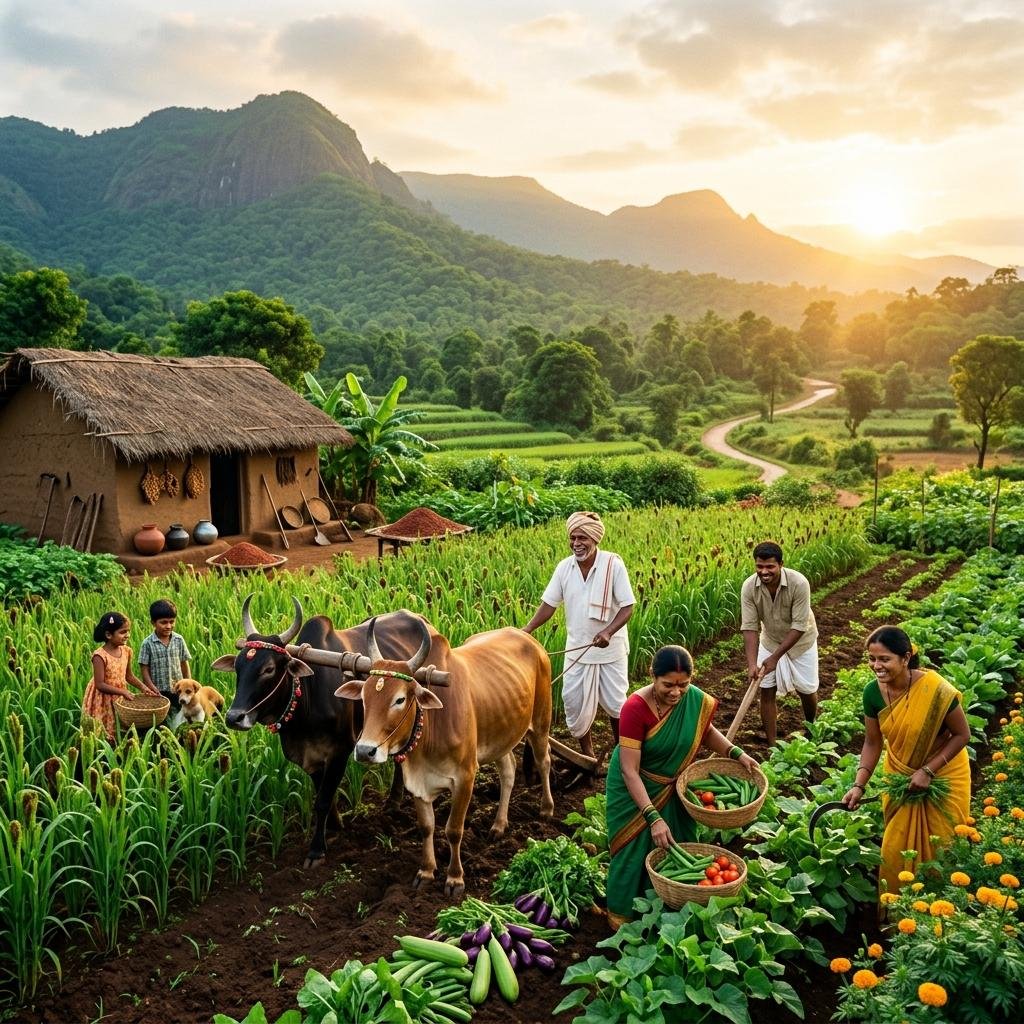
Introduction to Organic Foods
As a result, organic foods are becoming increasingly popular because people pursue healthier, more natural, and environmentally responsible options. Additionally, farming and processing follow organic standards prioritizing soil health and controlled inputs.
However, organic foods, including vegetables, fruits, rice, pulses, millet’s, spices, and oils, are central to modern food systems. Consumers today are not only interested in what they eat but also want to understand where their food comes from, how it is grown, and how it reaches their table.
As a result, organic farming focuses on maintaining healthy soil and supporting natural agricultural ecosystems. Farmers may use practices such as crop rotation, composting, biological pest management, mulching, and other approved methods to maintain farm productivity while caring for natural resources.
Another important aspect of organic foods is traceability and certification. Certified organic products are produced and handled according to the requirements of the applicable organic certification system. In India, organic production and certification are supported through systems such as the National Program for Organic Production (NPOP) and PGS- India, depending on the market and production context.
However, choosing organic foods doesn’t mean that every other type of food is unhealthy. Instead, organic foods provide consumers with an additional choice based on a defined production system. A balanced diet, food quality, proper storage, and healthy lifestyle habits remain important regardless of whether a product is organic or conventional.
As awareness grows, organic foods play an important role in sustainable agriculture, environmental protection, and responsible consumption. Moreover, understanding organic farming, certification, labeling, and responsible purchasing, consumers can make more informed decisions for their families and communities.
What Are Organic Products?
Organic products are agricultural or consumer products produced according to defined natural(organic) production standards. Depending on the product and certification system, organic production generally emphasizes responsible soil management, ecological balance, biodiversity, careful use of permitted inputs, and traceability.
The term organic products can cover many categories, including organic rice, pulses, vegetables, fruits, spices, edible oils, grains, tea, coffee, cotton, processed foods, and other agricultural products.
However, there’s an important point that consumers should understand: “natural” and “organic” aren’t always the same thing. However, a product may be marketed as natural without being certified organic. Therefore, consumers should look beyond attractive packaging and check the certification or verification information available on the product.
Furthermore, NPOP, administered by APEDA under Ministry of Commerce and Industry, provides standards and certification for organic production in India. India also has the Participatory Guarantee System for India (PGS- India), particularly relevant to domestic and local organic markets.
Additionally, organic production isn’t simply about avoiding one particular chemical. Additionally, it encompasses a broader production system that covers soil, crops, inputs, handling, storage, processing, and traceability.
Therefore, understanding the complete journey of a product—from farm to consumer—is important.
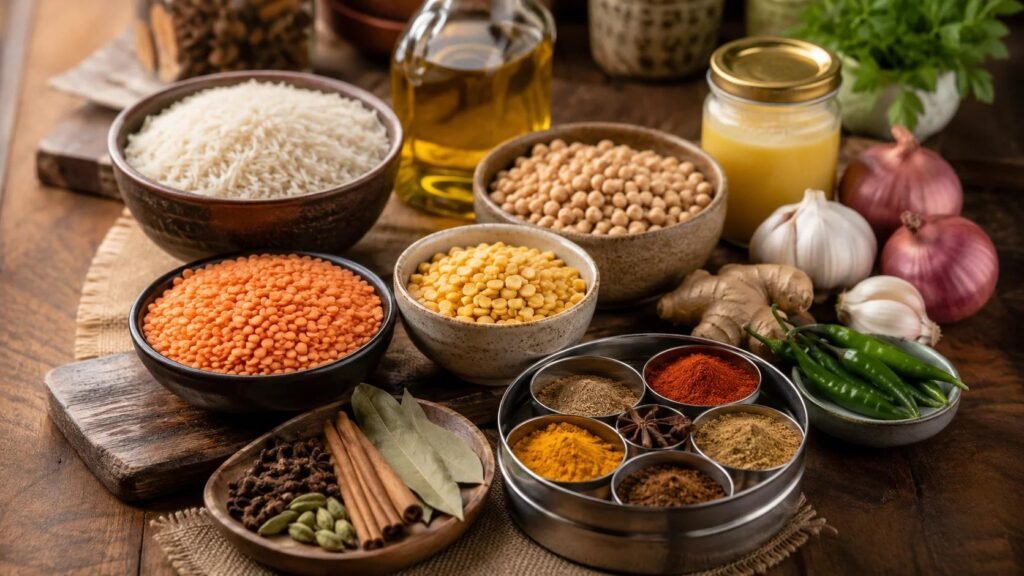
Why Are Organic Products Becoming Popular?
As a result, consumer interest in organic products has increased due to quality and sustainability.
Furthermore, modern consumers don’t just want to know what they are eating. Additionally, they increasingly want to know:
- Additionally, where was it grown?
- Moreover, who was involved in its production?
- Furthermore, how was it cultivated?
- Additionally, were prohibited substances used?
- Additionally, is the product certified?
- Additionally, can its origin be traced?
- How was it processed and packaged?
Moreover, this shift has created opportunities for farmers, food businesses, retailers, and rural entrepreneurs.
Organic farming can also connect traditional agricultural knowledge with modern certification, documentation, soil management, crop planning, and market systems.
For consumers, the key is not to believe every marketing statement blindly. Instead, look for transparent information, reliable certification, ingredient details, producer information, and proper labeling.
In other words, don’t judge a book by its cover—and don’t judge an organic product only by a green label.

1. Supporting a Healthier Lifestyle
One of the major reasons people choose organic products is their interest in a healthier lifestyle.
Organic food can become part of a balanced diet that includes vegetables, fruits, whole grains, pulses, nuts, seeds, and other nutritious foods. However, it’s important not to assume that every organic food is automatically more nutritious than every conventional food.
Healthy eating depends on the overall diet, portion sizes, food preparation, physical activity, and lifestyle.
The practical advantage of choosing certified organic food is that consumers can make purchasing decisions based on a defined production standard rather than relying only on marketing claims.
Organic Food in a Balanced Diet
A simple healthy plate may include:
- Seasonal vegetables
- Fresh fruits
- Whole grains
- Pulses and legumes
- Nuts and seeds
- Adequate protein
- Sufficient water
- Limited highly processed foods
Organic products can fit naturally into this approach.
For example, consumers may choose organic rice, organic dal, organic vegetables, or organic spices while continuing to maintain variety in their diet.
The goal shouldn’t be perfection. A practical and sustainable approach is often easier to maintain than trying to replace everything in the kitchen at once.
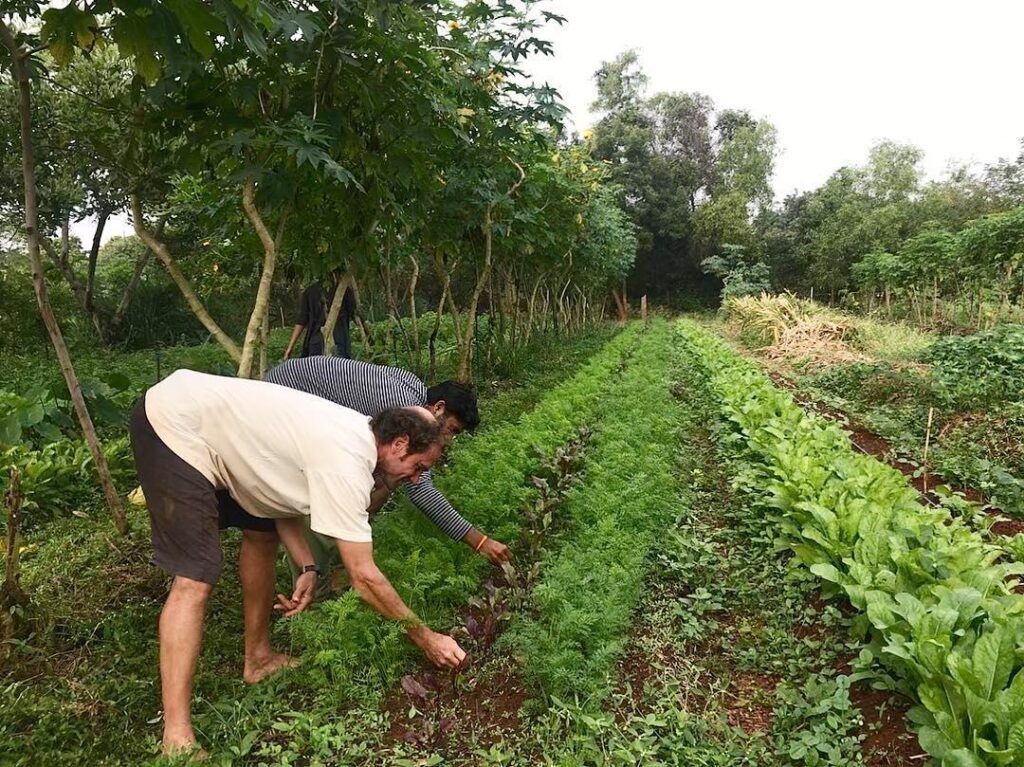
2. Better Farming Practices
Organic farming focuses on production systems designed to maintain ecological balance and soil quality.
Practices can include crop rotation, cover crops, composting, biological pest management, responsible nutrient management, and other approved methods.
These practices can help farmers think beyond one crop season.
Instead of asking only, “How much can I produce this year?” sustainable agriculture encourages a broader question:
“How can I maintain productive land for the coming years?”
That mindset is particularly important as farmers face changing rainfall patterns, soil degradation, rising input costs, and pressure on natural resources.
Important Organic Farming Practices
| Practice | Main Purpose |
|---|---|
| Crop rotation | Helps diversify production and support soil management |
| Compost application | Adds organic matter and nutrients |
| Cover crops | Protects and improves soil |
| Biological pest management | Uses ecological approaches to pest control |
| Mulching | Helps conserve soil moisture |
| Soil testing | Supports informed nutrient management |
| Biodiversity | Encourages a more balanced farm ecosystem |
Organic farming isn’t one single technique. It’s a system of interconnected practices.
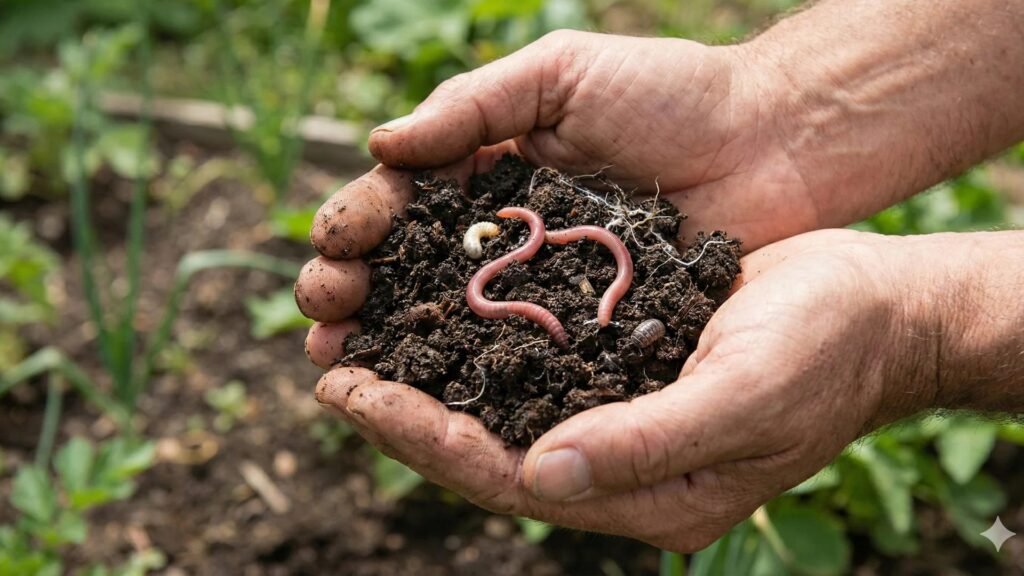
3. Supporting Soil Health
Healthy soil is the foundation of sustainable agriculture.
Soil isn’t simply a medium in which plants grow. It is a living ecosystem containing minerals, organic matter, microorganisms, water, air, and biological activity.
Organic farming systems often place strong emphasis on maintaining and improving soil quality.
Why Soil Organic Matter Matters
Higher organic matter can contribute to:
Better soil structure
- Improved water-holding capacity
- Better nutrient cycling
- Reduced erosion
- Improved biological activity
- Greater resilience of agricultural land
Farmers can use practices such as composting, crop residues, cover crops, crop rotation, and appropriate soil-management methods to support long-term soil health.
This is one reason the natural movement is closely connected with sustainable agriculture.
A farmer who protects the soil today is also investing in the productivity of tomorrow.
4. Protecting Water and Biodiversity
Water is one of agriculture’s most valuable resources.
Responsible agricultural practices can help reduce unnecessary pressure on water resources while improving soil’s ability to retain moisture. Biodiversity is equally important.
A farm ecosystem may include:
- Crops
- Trees
- Pollinators
- Birds
- Earthworms
- Beneficial insects
- Soil microorganisms
- Native vegetation
A diverse agricultural landscape can support ecological functions and provide habitat for beneficial organisms.
Organic systems emphasize ecological balance and biodiversity as part of their production principles.
For consumers, purchasing responsibly produced agricultural products can therefore become one small part of a wider sustainability journey.
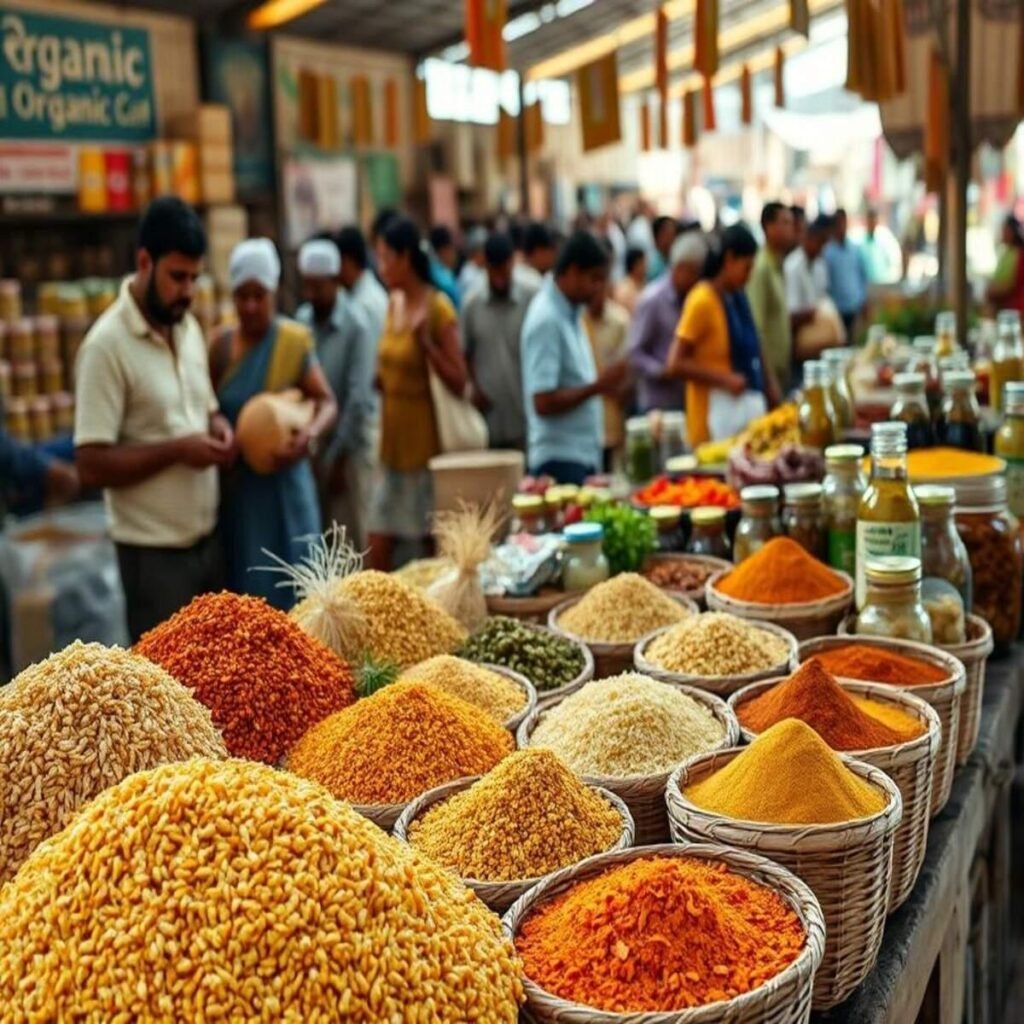
5. Supporting Farmers and Rural Communities
Organic agriculture isn’t only about consumers.
Farmers are at the heart of the organic value chain.
When farmers adopt improved production practices, they may gain opportunities to enter specialized markets. However, certification, documentation, input management, segregation, inspection, and marketing can also create additional responsibilities.
Successful organic agriculture therefore requires more than simply telling farmers to “stop using chemicals.”
Farmers need:
- Technical training
- Reliable input information
- Soil-management support
- Pest-management knowledge
- Market linkages
- Certification guidance where applicable
- Transparent pricing
- Record keeping systems
- Post-harvest support
- Consumer awareness
Rural organizations, farmer groups, NGO’s, producer organizations, extension agencies, and government institutions can play important roles in creating this ecosystem.
When the value chain works properly, consumers get greater transparency while farmers receive better opportunities to participate in differentiated markets.

6. Organic Products for Everyday Families
You don’t have to completely change your lifestyle overnight.
A gradual approach can work well.
For example, a family could start with commonly consumed products such as:
- Organic rice
- Organic pulses
- Organic spices
- Organic millet’s
- Organic vegetables
- Organic fruits
- Organic edible oils
- Organic tea or coffee
Instead of buying everything at once, compare products based on quality, certification, price, source, and usage.
A Simple Organic Shopping Plan
Step1: Identify the foods your family consumes regularly.
Step2: Check whether certified options are available.
Step3: Compare labels and certification information.
Step4: Check the producer, processor, or brand information.
Step5: Start with a few products.
Step6: Evaluate quality and value over time.
This approach keeps organic shopping practical and affordable.
7. How to Identify Genuine Organic Products
This is one of the most important questions for consumers.
The word organic can influence purchasing decisions, so consumers should understand what certification and labeling mean.
Don’t rely only on phrases such as:
- 100% natural
- Farm fresh
- Chemical-free
- Pure
- Traditional
- Healthy
- Eco-friendly
These phrases may be useful marketing descriptions, but they don’t necessarily mean the product is certified organic.
What Should You Check?
Look for:
- Appropriate certification information
- Certification body details
- Organic logo where applicable
- Ingredient information
- Manufacturer or producer details
- Batch or lot information
- Packaging date and expiry information
- Traceability details
- Contact information
For India, consumers and businesses can refer to APEDA’s official organic-program information to understand NPOP and certification systems.
8. Organic Certification and Labels
Certification is an important part of building trust in the organic supply chain. India’s organic certification ecosystem includes NPOP and PGS-India, with different systems serving different market and verification contexts.
NPOP provides standards for organic production, accreditation procedures for certification bodies, inspection and certification procedures, and rules concerning the India Organic logo.
Certification involves more than inspecting a farm once.
Organic certification can involve production records, input records, inspection, processing controls, storage, packaging, segregation, and traceability.
This is important because an organic product can lose its integrity if it becomes mixed with non-certified material during handling or processing.
Why Traceability Matters
Traceability helps answer questions such as:
Where did this product come from?
Which farmer or producer group supplied it?
How was it handled?
Which organization certified it?
Can the information be verified?
That transparency strengthens consumer confidence.
9. How to Buy Organic Products Smartly
Buying organic doesn’t mean you need to spend unnecessarily.
Smart purchasing starts with priorities.
7 Practical Buying Tips
1. Buy seasonal products
Seasonal fruits and vegetables may offer better value and freshness.
2. Buy frequently used products first
If your family consumes rice or pulses every week, those products may be a practical starting point.
3. Compare pack sizes
Larger packages aren’t always cheaper after considering wastage.
4. Check certification information
Don’t assume that attractive packaging equals certified organic status.
5. Buy from transparent sellers
Choose sellers who provide clear information about sourcing and certification.
6. Avoid unnecessary processed foods
Organic doesn’t automatically mean low-sugar, low-fat, or minimally processed.
7. Store products correctly
Even high-quality organic food can spoil if stored improperly.
10. Building an Organic Lifestyle
Organic living is broader than food.
People may also explore organic or responsibly produced options in:
- Clothing
- Cotton products
- Personal-care products
- Home products
- Natural farming inputs
- Herbal products
- Sustainable household goods
However, the same principle applies: check the actual standard behind the claim.
A product labeled “natural” isn’t automatically organic.
A product labeled “eco-friendly” isn’t automatically certified.
And a product with a green package isn’t automatically sustainable.
Good purchasing decisions come from evidence, transparency, and understanding.
Compared with organic products, conventional products
The comparison between organic and conventional products shouldn’t be reduced to “one is always good and the other is always bad.”
Different production systems have different standards, practices, costs, environmental considerations, and market structures.
| Factor | Organic Products | Conventional Products |
|---|---|---|
| Production standards | Follow applicable organic standards when certified | Follow applicable agricultural and food-safety standards |
| Input use | Uses permitted inputs under applicable organic rules | May use a wider range of permitted agricultural inputs |
| Certification | Certified products undergo verification according to the relevant system | Certification depends on the product and market |
| Soil management | Strong emphasis on soil and ecological management | Practices vary by farm and production system |
| Traceability | Certification systems generally require documentation and records | Traceability requirements vary |
| Price | May be higher due to production and certification costs | Often available across a wider price range |
| Consumer choice | Provides an option based on organic standards | Provides another agricultural production option |
The right approach is to understand the production system instead of relying on exaggerated claims.
Common Myths About Organic Products
Myth 1: All organic products are completely free from pesticides
Organic production restricts or prohibits certain substances, but “organic” doesn’t mean that absolutely no pest-control substances can ever be used.
Additionally, organic standards define which substances and methods are allowed.
Myth 2: Organic always means healthier
Organic certification primarily describes how a product is produced and handled under a particular standard.
A healthy diet still requires balance and variety.
Myth 3: Natural means organic
Not necessarily.
“Natural” and “organic” can have different meanings and regulatory requirements.
Myth 4: Organic food doesn’t need certification
Certification requirements depend on the applicable market and system. Consumers should check the relevant certification or verification framework.
Myth 5: Organic products are always expensive
Prices vary by product, location, season, supply chain, brand, and certification costs.
Buying seasonal products and directly from credible producer groups can sometimes improve value.
Myth 6: Organic farming means traditional farming only
Organic agriculture can combine traditional knowledge with modern soil testing, documentation, scientific pest management, improved varieties where permitted, technology, and market systems.
Organic Products and Sustainable Agriculture
Organic agriculture is closely connected with the broader concept of sustainability.
Sustainable agriculture aims to balance three major dimensions:
Environmental Sustainability
This includes:
- Soil conservation
- Water management
- Biodiversity
- Reduced environmental pressure
- Responsible resource use
Economic Sustainability
Farmers need viable incomes. A farming model cannot remain sustainable if producers continually operate at a loss.
Therefore, market access, productivity, cost management, value addition, and fair market opportunities matter.
Social Sustainability
Sustainable agriculture should also consider:
- Farmer welfare
- Rural employment
- Community participation
- Knowledge sharing
- Food security
- Inclusive development
This three-dimensional approach helps explain why organic agriculture has become part of a much larger conversation about sustainable food systems.
Organic Products in India
India has a strong agricultural tradition and diverse agro-climatic conditions, creating opportunities for different categories of organic production.
According to APEDA’s National Program for Organic Production information, India has a substantial organic production sector covering food products, fibres, cereals and millet’s, pulses, spices, fruits, vegetables, medicinal and aromatic plants, tea, coffee, and processed products.
APEDA also reports that India’s organic products are supplied to domestic and international markets.
For Indian farmers, the opportunity isn’t limited to simply growing a crop organically.
There is potential across the complete value chain:
Production → Aggregation → Certification → Processing → Packaging → Branding → Marketing → Retail → Export
This value-chain perspective is especially important for farmer producer organizations, rural enterprises, NGO’s, self-help groups, and agricultural entrepreneurs.
Opportunities for Rural Entrepreneurs
Organic products can create business opportunities through:
- Organic farm stores
- Farmer markets
- Organic vegetable subscriptions
- Millet products
- Organic spices
- Traditional food products
- Value-added agricultural products
- Online organic stores
- Farmer-producer brands
- Rural processing units
- Direct-to-consumer marketing
The biggest opportunity often lies not just in producing raw agricultural commodities, but in creating trust, traceability, quality, and value addition.
How Farmers Can Start Organic Production
Farmers interested in organic production should avoid making a sudden transition without technical guidance.
A practical approach can include:
Step 1: Understand the Applicable Standard
Determine which organic standard and certification system applies to the intended market.
Step 2: Assess the Farm
Review soil, water, crop history, inputs, neighboring farms, irrigation, storage, and current cultivation practices.
Step 3: Maintain Records
Record crop activities, inputs, harvest quantities, sales, and other relevant information.
Step 4: Develop a Soil Management Plan
Focus on organic matter, crop rotation, nutrient management, erosion control, and soil conservation.
Step 5: Develop Pest Management Practices
Use preventive, cultural, mechanical, biological, and permitted methods according to the applicable standard.
Step 6: Understand Certification
If certification is required for the intended market, work with the appropriate certification system or organization.
Step 7: Build Market Linkages
Identify buyers before scaling production.
Step 8: Focus on Quality
Organic status alone doesn’t guarantee excellent market performance. Quality, grading, packaging, consistency, and customer trust still matter.
How Businesses Can Market Organic Products Responsibly
Organic businesses should avoid exaggerated claims.
A good organic brand should communicate:
- Product origin
- Farmer story
- Certification
- Production method
- Ingredients
- Processing method
- Packaging
- Storage instructions
- Customer support
Content marketing can also educate consumers.
For example, a brand could publish articles about:
- Furthermore, organic rice provides benefits.
- How organic farming works
- Organic certification in India
- Organic vegetables
- Sustainable agriculture
- Farmer stories
- Soil health
- Traditional crops
- Organic millet recipes
This approach builds authority rather than simply pushing sales.
6 Frequently Asked Questions About Organic Products
1. What are organic products?
Organic products are agricultural or processed products produced and handled according to defined organic standards. Depending on the certification system, these standards may cover cultivation, permitted inputs, processing, storage, handling, labeling, and traceability.
2. Are organic products healthier?
Organic products can be part of a healthy diet, but organic certification itself isn’t a guarantee that a particular food is nutritionally superior. Overall dietary quality, food variety, preparation, and lifestyle remain important.
3. How can I identify genuine organic products?
Check the applicable certification or verification information, labeling details, producer information, and traceability. In India, consumers can refer to official APEDA information about NPOP and organic certification systems.
4. Are organic products expensive?
Some organic products can cost more because of production, certification, segregation, processing, packaging, and supply-chain costs. However, prices vary significantly by product, location, season, and seller.
5. Is organic farming the same as natural farming?
No. Organic farming and natural farming are related to sustainable agricultural discussions but are not automatically identical systems. Each may have different principles, standards, definitions, and verification mechanisms.
6. Can farmers sell organic products without certification?
Consequently, the answer depends on the applicable market, certification system, product, and labeling claim. Farmers should check the relevant Indian rules and market requirements before making organic claims.
7. Furthermore, what are the most popular organic products?
Moreover, common categories include organic rice, pulses, millet’s, vegetables, fruits, spices, edible oils, tea, coffee, cotton, and processed foods. Additionally, demand varies by region and market.
8. Additionally, is organic food better for the environment?
Organic standards generally emphasize ecological balance, soil quality, resource conservation, and biodiversity. However, the environmental impact of a particular product also depends on farming practices, transportation, packaging, processing, water use, and other factors.
Conclusion: Make Informed Choices
Organic products represent more than a shopping trend. Additionally, they are connected with farming practices, soil management, biodiversity, traceability, farmer livelihoods, consumer awareness, and sustainable food systems.
The most important lesson is simple: look beyond the label.
Furthermore, select items guided by reliable information, certification, transparent sourcing, quality, affordability, and your family’s needs.
Organic agriculture can create opportunities for farmers when supported by technical knowledge, proper certification, strong market linkages, and value addition.
Moreover, choosing certified organic products can be part of a broader healthy and responsible lifestyle for consumers.
Additionally, transparency can become a powerful competitive advantage for businesses.
Additionally, organic and sustainable agriculture can foster stronger links among farmers, markets, natural resources, and consumers in rural communities.
Moreover, the future of food isn’t only about producing more. It’s also about producing responsibly, protecting natural resources, supporting farmers, and helping consumers make informed choices.
That is where the real value of organic products begins.
Official Resources for Further Reading
Additionally, in India, readers can use APEDA’s NPOP resources for organic standards, certification, production systems, and market requirements.
Similarly, for international readers, the USDA Agricultural Marketing Service provides information about organic standards and labeling in the United States.
SEO and publishing notes
- Furthermore, the primary keyword identified is ‘organic products’.
- Additionally, the suggested URL slug is: organic-products-benefits-guide.
organic-products-benefits-guide - Moreover, Organic products include fresh vegetables, fruits, grains, and sustainable farm produce.
Organic products including fresh vegetables, fruits, grains and sustainable farm produce - Additionally, 10 Powerful Benefits of Organic Products for a Healthier Lifestyle
- Additionally, the suggested featured image shows a natural farm scene with organic vegetables, fruits, grains, farmers, and sustainable agriculture.
- Additionally, suggested internal links include: Organic farming, sustainable agriculture, healthy food, natural farming, farmer success stories, soil health.
- External authority: APEDA’s NPOP framework describes India’s organic production and certification system, while USDA provides detailed organic production and labeling requirements for the U.S. market. (Apeda)
- Nevertheless, do not claim that every organic product is automatically healthier or completely pesticide-free. In addition, organic standards define permitted and prohibited practices; certification and labeling requirements vary by market. (AMS)
Furthermore, official references include APEDA – National Program for Organic Production and USDA – Organic Standards.
If you tell me your website name/domain and the exact organic product you want to sell (for example, organic rice, organic vegetables, organic spices, organic millet’s, or an organic-products online store), I can tailor the article’s SEO title, slug, H2s, keywords, FAQ schema questions, and conversion-focused CTA specifically for that website.